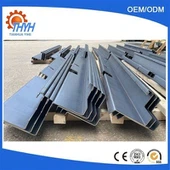
A $40,000 batch of galvanized structural steel clears visual inspection. Bright, even, no runs, no bare spots. It's loaded, shipped, and signed off.
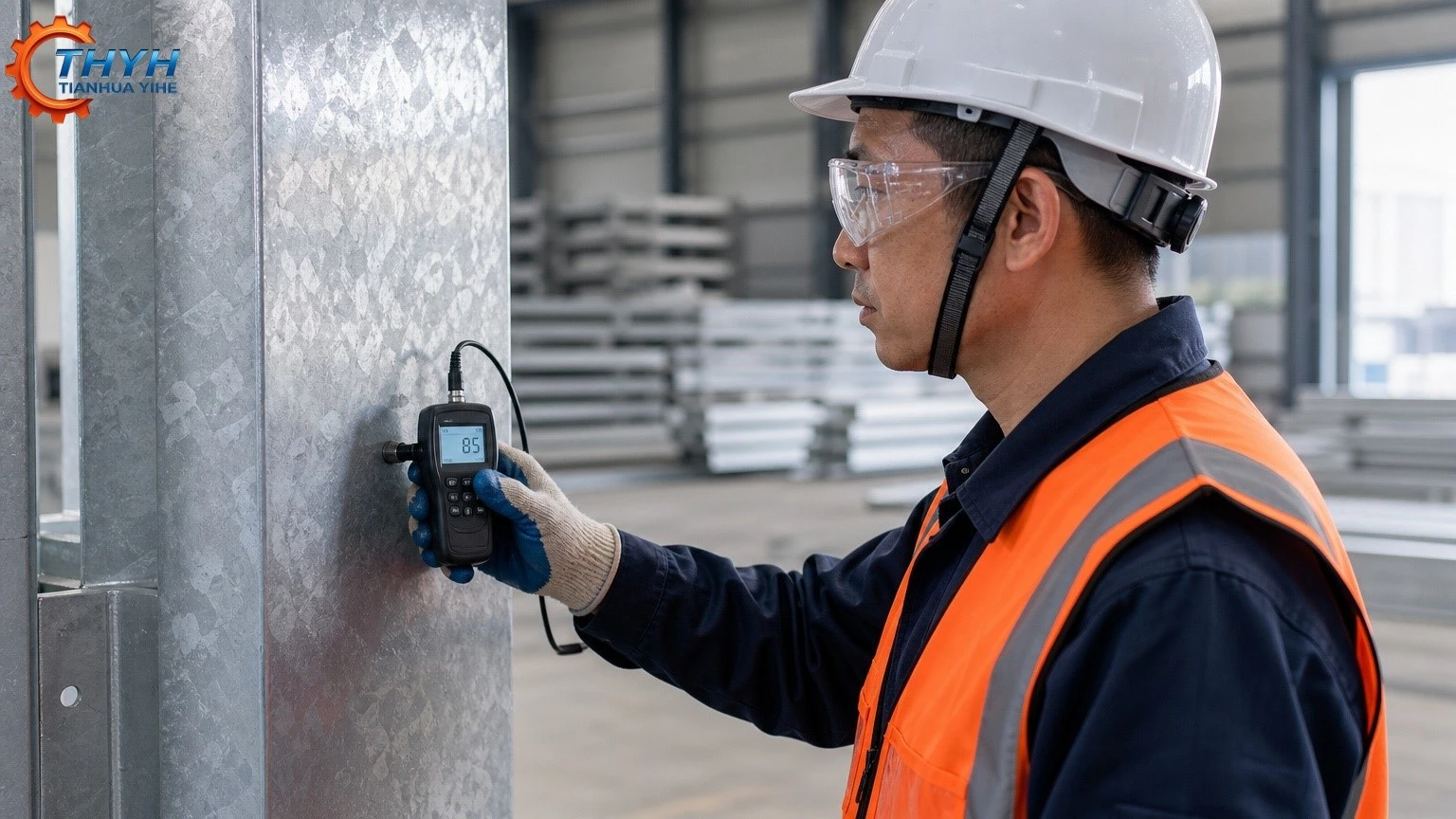
Fourteen months later, the client's maintenance team pulls out a $300 magnetic gauge at a routine site audit. Average reading: 62 microns - on steel that required a minimum of 85.
That batch wasn't damaged in transit. It was born thin. And nobody measured it.
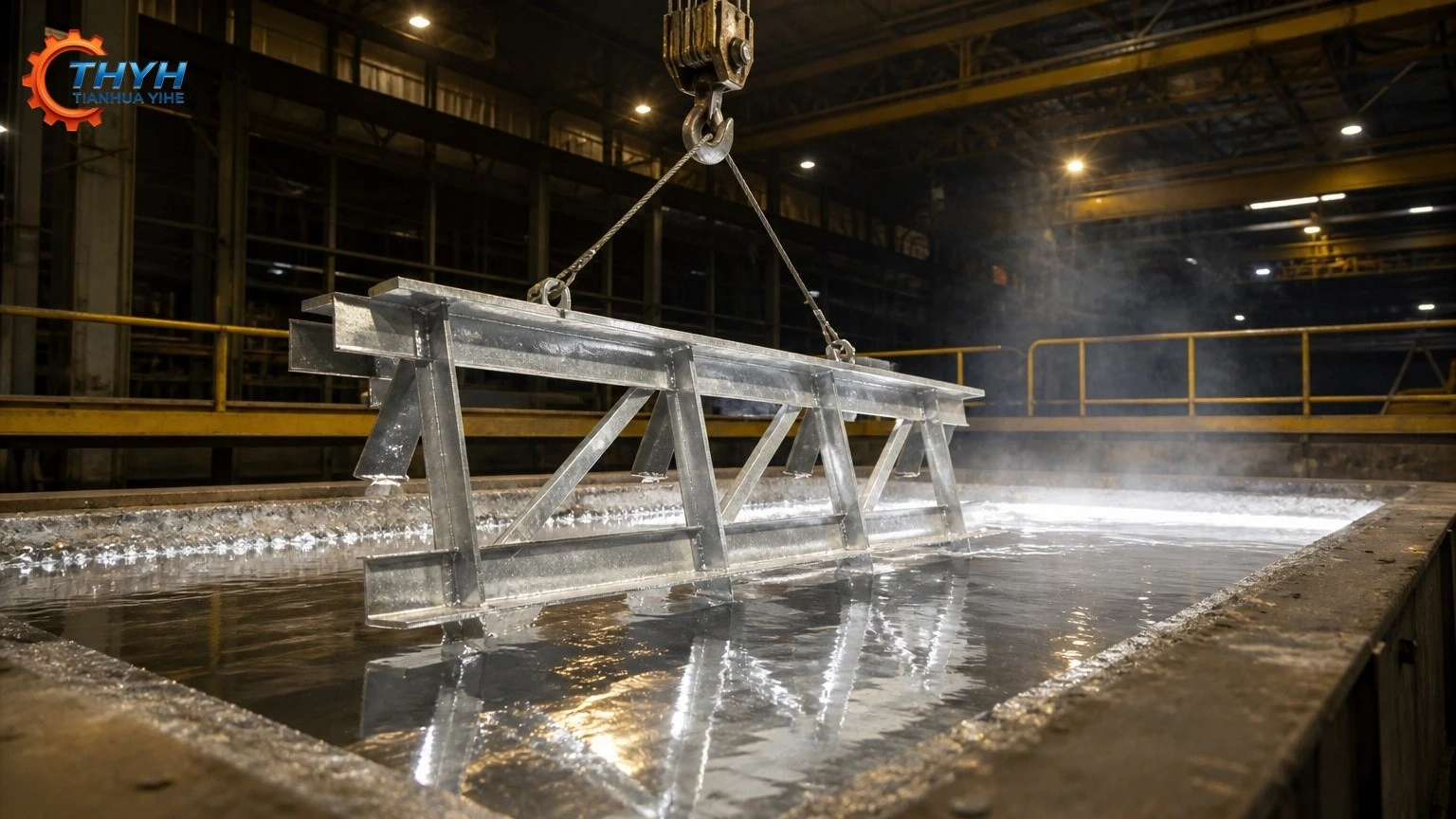
What AS/NZS 4680 Actually Requires (It's a Number, Not a Certificate)
The standard is specific: for structural steel sections 6 mm and thicker, AS/NZS 4680 (aligned with ISO 1461) requires a mean coating thickness of 85 microns minimum, measured with a calibrated magnetic gauge at multiple points per component.
A certificate proves a system. A gauge proves a batch. Plenty of suppliers hold the certification and never test individual lots - the certificate hangs on the wall, and thickness is left to the zinc kettle's mood that day.
Why does 23 microns matter? Hot-dip galvanizing sacrifices itself at roughly 1–3 microns per year depending on atmosphere. Eighty-five microns buys decades in most Australian environments; 62 microns means visible rust in year 8–12, not year 30. On a perimeter security fence or a mining guard structure, that's a warranty claim with your name on it.
What 23 Missing Microns Really Costs You
Coating thickness isn't cosmetic - it's a countdown clock. Here's how the same structural steel performs at different mean thicknesses in typical Australian environments:
| Mean coating | Coastal (rapid) | Urban / industrial | Rural (benign) |
|---|---|---|---|
| 62 microns (failed batch) | rust year 8–10 | rust year 12–15 | rust year 18 |
| 85 microns (standard minimum) | rust year 25 | rust year 35+ | rust year 50+ |
| 110 microns (typical, well-run) | rust year 30 | rust year 45+ | lifetime |
A "passing" batch at 62 microns isn't 27% thinner - in a coastal mining site, it cuts service life by roughly 60%. Re-galvanizing a guard structure after year 10, including removal, freight, reprocessing, and downtime, typically runs 3–5× the original fabrication price.
Where Thin Coatings Come From (and How Design Fixes Them)
Surface prep is the usual culprit. Incomplete pickling leaves mill scale that zinc simply cannot bond to - the coating looks fine the day it cools and fails the gauge a week later.
Vent and drain holes decide the dip. Wrong hole placement traps air, blocks zinc flow, and creates thin patches next to 300-micron runs. This is why we review vent/drain design before the first cut - it's a DFM decision, not a galvanizer's problem to absorb later.
Steel chemistry moves the target. High silicon or phosphorus content makes zinc react more aggressively, producing thick-but-brittle or uneven coatings. We flag reactive steel grades on incoming material review and adjust the kettle time accordingly.
Our Batch Rule: No Gauge Reading, No Loading
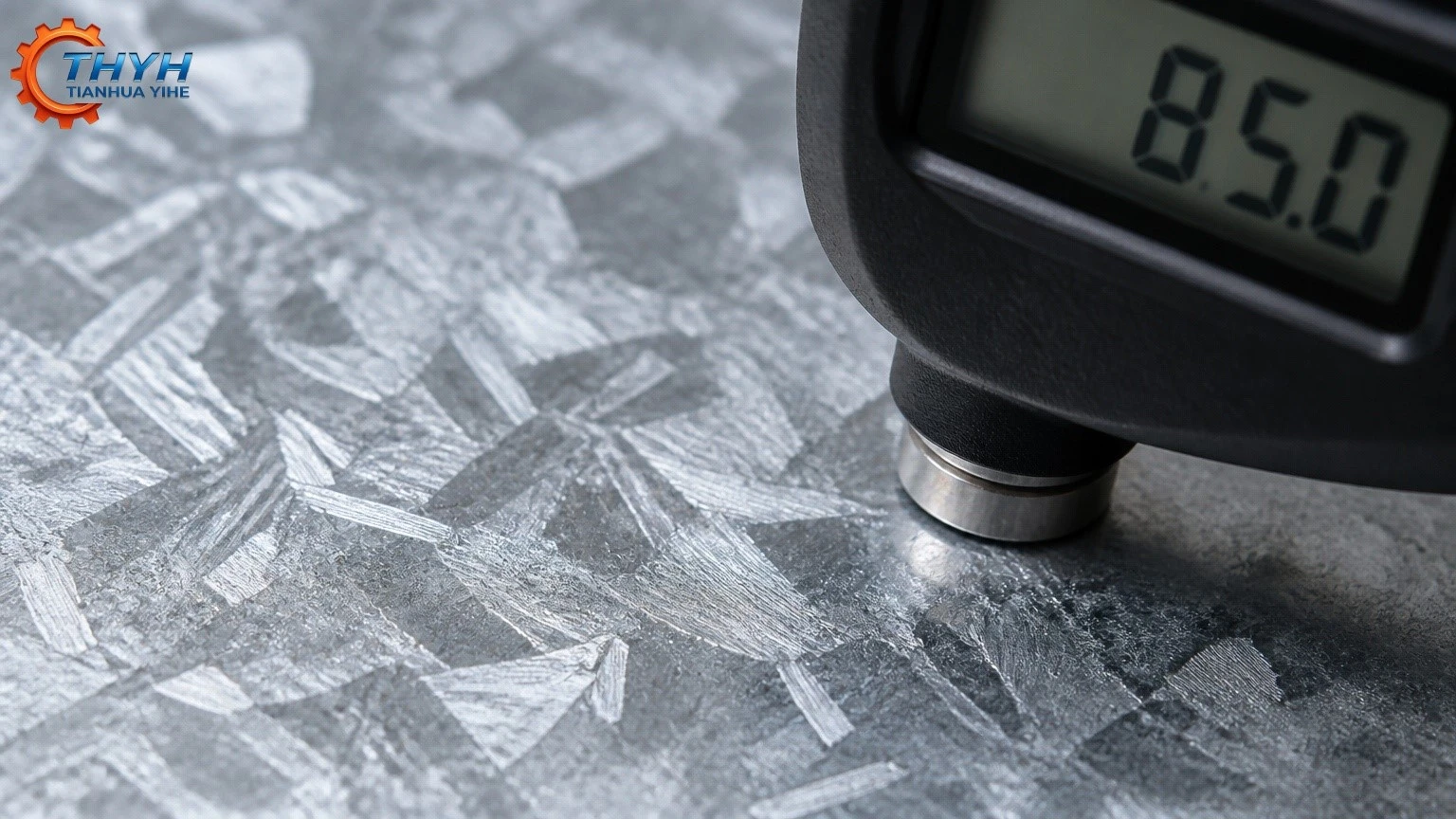
Every hot-dip galvanized batch leaving our Qingdao facility gets a five-point gauge check per representative component, readings recorded with photos in the pre-shipment report, and any component below 85 microns goes back into the kettle - not onto the truck.
Mini case one - structural posts: an Australian infrastructure supplier's order came back at 68–74 microns on first-article inspection. We traced it to under-pickled plate from a new material lot, reprocessed the full batch, and re-measured at 94–113 microns. Across the following 14 months and 11 repeat orders: zero coating-related rejections.
Mini case two - perimeter fence posts: a 4.2m guard-rail post batch visually looked excellent but read 70–79 microns at the welded-on tube transition - a classic vent/drain issue where trapped air starved the internal seam. Rather than ship, we re-cut the vent holes, re-dipped, and landed 88–104 microns across every point. The client's audit six months later: 100% in spec.
"The first mill test report with actual gauge readings attached was when we stopped double-sourcing them. Nobody else sends that unprompted." - Supply chain manager, Australian infrastructure OEM (name withheld)
Three Questions That Reveal Whether Your Supplier Actually Tests
If a supplier hesitates on any of these, the gauge probably isn't leaving the drawer:
1. "Can you send the gauge readings for my last batch, with the calibration date?" A real test program logs both. A certificate without readings is a system, not a guarantee.
2. "What's your re-galvanize rate, and what triggers it?" A shop that genuinely tests will have a small, known re-dip rate and clear pass/fail thresholds - not "we've never had a rejection."
3. "Who reviews vent/drain placement before cutting?" Thin coatings usually start in the design, not the kettle. If the answer is "the galvanizer figures it out," the design was never optimized for a uniform dip.
Two Ways to Use This
Grab the free checklist: our one-page HDG coating thickness verification sheet - the exact five-point method, pass/fail thresholds, and the three questions to ask any galvanizing supplier. No contact form required.
Already have drawings? Send them over for a free DFM review focused on vent/drain placement and steel grade selection - the two decisions that determine whether your coating passes the gauge the first time. NDA on request.